Why Buy Fresh Fish Frozen at Sea?
“Fresh” is a timing story. “Frozen at sea” is a control story.
When fish is frozen soon after catch, the cold chain becomes simpler: fewer warm–cold swings, fewer unknowns, and a product you can plan around. That’s why frozen is often treated as a quality-control tool in seafood—NOAA notes that frozen seafood is often processed and frozen soon after being caught, locking in a point-in-time condition rather than gambling on how many days of chilled handling it’s had.(NOAA Fisheries)
Portioning is the practical win. You can buy by cut and weight band, then use only what you need—no last-minute “use it tonight” panic, and far less binning of expensive protein. Consistent pack weights also make cooking outcomes more repeatable: the same thickness tends to behave the same way, week after week. For busy households, it turns fish into a routine rather than a one-off “special treat” purchase.
On frozenfish.direct, this category is positioned around speed and standardisation: fish is filleted, packed, and frozen within 3 hours of being caught (where stated for the range), so the baseline quality is set early and held there.
- Freezing slows spoilage. Cold storage protects texture. Sealed packs limit air exposure.
- Portions reduce waste. Consistent weights improve timing. Frozen stock improves planning.
None of this is a dig at “fresh”. It’s just physics and logistics. Fresh fish can be brilliant—but the quality you get depends on the whole journey (catch, handling, transport, display). Freezing moves more of that journey into a controlled state, which is why it’s a reliable choice for midweek meals, batch cooking, and anyone who wants predictable results without overbuying.
Choose Your Cut
Portions for quick midweek
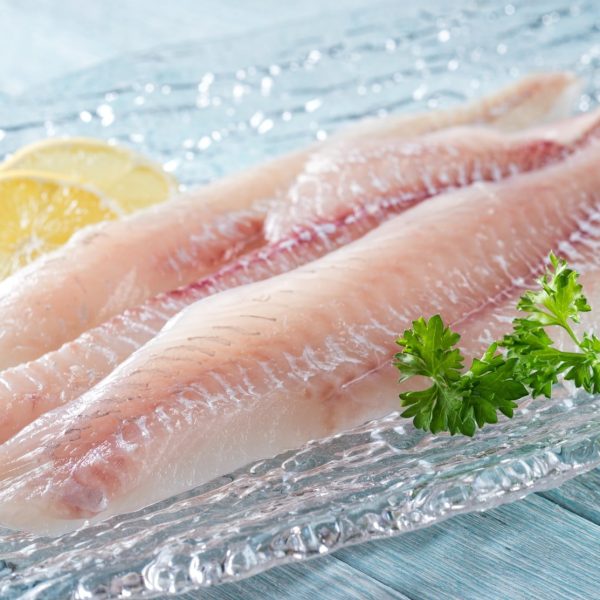
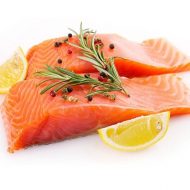
If speed matters, start with portion-cut fillets and skin-on portions. They’re trimmed, predictable, and built for repeatable results—ideal for a hot pan, a fast tray-bake, or a midweek curry. Portion control is the quiet superpower here: one pack can mean “two dinners and one lunch” instead of “cook it all and hope.” Look for even thickness across the fillet, because thickness is what sets timing more than anything else. When you want a cleaner finish, choose pin-boned cuts; when you want more flavour and resilience, keep the skin on.
High-heat, crisp edges, and confident searing
For grilling and higher heat, choose cuts that hold their shape. Steaks (think round cross-sections) and thicker loin cuts tolerate heat better and stay together when flipped. Skin-on pieces also give you a natural “contact surface” for a proper sear, especially if you’re chasing crisp skin and a juicy centre. These are the cuts that forgive a slightly hotter pan and still land well—great for char lines, barbecue baskets, and pan-to-oven finishes.
Entertaining cuts
When you’re cooking for people, size and symmetry matter. Larger centre-cut fillets plate neatly and carve nicely, and they’re easier to sauce without overcooking. If you want “restaurant clean,” pick uniform portions or centre cuts with consistent thickness so everything finishes at the same moment. These are also strong candidates for simple herb butter, beurre blanc, or a citrus glaze—minimal fuss, maximum payoff.
Prep-it-yourself value
If you like to prep, buy larger formats you can portion at home: whole sides, loins, or larger fillets you can slice into custom sizes. This is the best route for batch cooking, freezer organisation, and tailoring portions to different eaters. It’s also where you can control thickness deliberately—thin slices for quick stir-fries, thicker blocks for slower oven cooking, and neat strips for tacos or fish burgers.
Speciality lines
If you spot speciality “frozen at sea” items—smoking-grade cuts, sashimi-style trimming, or chef-format portions—treat them as purpose-built tools rather than miracle products. They’re simply pre-selected for a particular outcome: clean slicing, consistent shape, or suitability for a specific method like smoking or quick high-heat cooking.
Pick the Fresh Fish Frozen at Sea that matches your pan, your timing, and your appetite.
What Arrives at Your Door
Dispatched by DPD overnight courier, your order is packed like a cold-chain shipment, not a supermarket bag. Each box is packed with dry ice in a polystyrene insulated box, which matters for one simple reason: insulation slows heat gain, and dry ice provides a strong cold source during transit, helping keep fish frozen while it travels through the delivery network. The aim is boringly practical—stable temperature, predictable condition on arrival, and fewer “is this still ok?” moments at the door.
Delivery timing is handled in a way that keeps expectations clean. Orders placed before the stated cut-off are prepared for next working day delivery on eligible days, and checkout controls valid delivery dates so you’re not guessing about weekends, local routes, or non-dispatch days. In other words, the system won’t offer dates that don’t fit the dispatch calendar—so if you can select it at checkout, it’s an available delivery option for that order.
When your box arrives, the first steps are simple and fast. Open it promptly, check your items, and move everything straight into the freezer so you’re back in a steady deep-cold environment as quickly as possible. Don’t hang around “for later” on the kitchen counter—cold chain is about time as well as temperature. After that, follow the on-pack storage guidance for each product, because different cuts and packaging formats can have slightly different best-practice handling.
A quick, calm note on dry ice: it’s extremely cold, so avoid direct skin contact and don’t let children or pets handle it. Let any remaining dry ice evaporate in a well-ventilated area, and don’t seal it in an airtight container (pressure can build). Treat it with respect, not fear—its job is simply to keep your seafood properly frozen during the journey.
Label-First Transparency
Buying fish online only feels risky when the details are fuzzy. That’s why this category is built “label-first”: every Fresh Fish Frozen at Sea product is described in the practical fields that actually change your result in the pan, oven, or grill. You’ll see the cut and the weight/pack size up front, so you’re not guessing what turns up. Where it matters, listings also show whether a piece is skin-on or skinless, and whether it’s boneless or pin-boned—because those small labels are the difference between “easy midweek” and “why is this taking longer than I planned?”
You’ll also see whether it’s wild or farmed where applicable, so you can buy to preference rather than relying on assumptions. And when origin or catch area varies by item, it’s shown on the product details—kept specific to the product in your basket, not blurred into a category-wide claim. That means you can compare like-for-like, even when two products look similar at first glance.
Allergen information is clearly flagged for Fresh Fish Frozen at Sea, so you can shop with confidence if you’re cooking for a household with sensitivities. For any cured or smoked items where ingredients matter, you’ll see an ingredients list in the product details too—again, the stuff you’d normally turn the pack over to find, presented before you commit.
- Cut drives cooking. Weight drives timing. Skin drives texture.
- Bone status drives convenience. Thickness drives doneness. Heat drives crust.
- Origin informs preference. Method informs fat level. Pack size informs value.
- Pin-bones change prep. Skin-on changes sear. Portions change waste.
The result is simple: you choose with evidence, not hope—so what you buy lines up with how you actually plan to cook and serve it.
Storage and Defrosting
Treat this like a calm chef’s note: your job is to keep the cold steady, keep air away from the flesh, and let the fish thaw gently so the texture stays where it should be.
Storage first. Keep packs frozen until you’re ready to use them, and protect them from air exposure. Most items arrive vac packed, which helps a lot—air is what drives freezer burn, and freezer burn is basically dehydration in slow motion. In the freezer, store packs flat where you can, and rotate stock so older packs sit forward and newer packs go behind. That one habit prevents “mystery packs” living at the bottom of the drawer until they’re dry-edged and dull.
Defrosting, done the easy way. Fridge defrost is the default because it’s gentle on texture and predictable for planning. Keep fish contained while it thaws—still in its pack or in a covered tray—so you control drip loss and keep your fridge tidy. You’ll sometimes see a little liquid in the pack; that’s normal. The goal is to avoid the fish sitting in it for longer than needed.
When it’s defrosted, open the pack and pat dry the surface before you cook. That single step is the difference between “watery and soft” and a clean sear with proper colour. Skin-on pieces especially benefit: a dry surface helps the skin crisp instead of steaming. If something is listed as pin-boned, you’ve already saved prep time—still worth a quick check, but it’s built for convenience.
Texture expectations. Fish should feel firmer once it’s fully defrosted, not mushy. If it’s overly soft or seems watery, it usually means it thawed too fast, sat in excess liquid, or got warm patches. Thicker cuts tend to hold their structure better, and fatty cuts forgive heat more than lean ones—fat buys you a little timing wiggle room.
Refreezing: be conservative. The safest rule is to follow on-pack guidance. If you’ve defrosted in the fridge, kept it cold, and it still looks and smells as it should, some products can be cooked and then frozen as leftovers—but quality usually drops, and texture can turn softer. If in doubt, don’t refreeze. Keep it portionable by freezing what you’ll use, and thaw only what you plan to cook.
Cooking Outcomes
Pan-sear for crisp skin and clean colour
Start with a dry surface so the fish sears instead of steaming—moisture is the enemy of crisp skin. Use a hot pan with a thin film of oil, lay the fish down, then leave it alone until it releases easily and you see a strong golden edge creeping up the side. Your doneness cue is feel and look: the flesh turns from translucent to opaque from the heat-facing side upward, and it begins to flake with light pressure. Flip, then finish gently—lower the heat or move the pan off the hottest zone so the centre stays juicy rather than tightening.
Dry surface equals better sear. Gentle finish protects moisture. Resting evens temperature.
Oven-finish for juicy centre and repeatable results
Use the oven when you want consistency across multiple portions or thicker cuts. Sear first if you want colour, then finish in the oven on a tray until the fish is opaque most of the way through and flakes cleanly, with a slight gloss at the very centre. Watch the edges: when they look set and the middle still has a little give, you’re close—carryover heat will do the last bit. Let it rest briefly before serving so the juices settle and the flakes stay defined.
Thickness changes timing. Fat content changes forgiveness.
Grill-ready pieces for high heat and bold texture
Choose items that hold their shape for the grill—skin-on fillets, thicker loins, and firm, well-cut portions handle direct heat better. Preheat properly, oil the fish (or the grates), and place it down confidently; the right moment to turn is when it lifts without tearing and the surface has clear grill marks. Doneness cues are visual and tactile: the fish should release, look evenly opaque, and flake without crumbling into mush. Go too hard for too long and you’ll get dryness; go too gentle and you’ll get pale, soft texture—aim for strong heat up front, then a gentler finish.
Portions and delicate cuts for gentle heat and zero overcook
Smaller portions cook fast, so set yourself up to not overcook: moderate heat, shorter time, and a calm finish. Treat lean fish as “less forgiving”—it goes from juicy to dry quickly—while fattier fish gives you a slightly wider window. Use the fork test: when it flakes in larger, moist pieces and the centre is just opaque, pull it and rest it briefly. Different products have different handling expectations, so follow the product details for cut type, thickness, and whether it’s skin-on or pin-boned.
Dry surface equals better sear. Gentle finish protects moisture. Resting evens temperature.
Nutrition Snapshot
Fresh Fish Frozen at Sea is one of those rare food categories where “simple” and “useful” overlap. In general terms, fish is valued for high-quality protein plus a spread of vitamins and minerals that vary by species, cut, and origin. Some fish naturally contains more omega-3 fats (often described as “oily fish”), while leaner species bring a cleaner bite and lighter mouthfeel. The important bit for buying is that nutrients vary by species, cut, and whether it’s wild or farmed, so treat any category-wide nutrition talk as a guide and use the product details for the specifics.
If you’re choosing between options, think in practical outcomes rather than health headlines. Lean fish tends to cook quickly and can dry out if pushed too hard; it’s brilliant for fast midweek portions when you want a clean flake and a light finish. Fattier cuts are generally more forgiving on heat and often feel richer on the plate, which can suit grilling, pan-searing, or serving with bold sides. That same fat level also affects texture: leaner fish can feel firmer and more delicate, while oilier fish can feel softer and more succulent when cooked gently.
Fish can fit comfortably into a balanced diet alongside vegetables, grains, and other protein sources—no drama, no moral scorecards. The main win here is choosing the fish that matches your preferences and your cooking plan, then letting the product’s cut, pack size, and details do the decision work.
Provenance and Responsible Sourcing
We keep this simple: we show method and origin details per product so you can choose what fits your preferences. That means you’re not buying a vague “category promise” — you’re buying a specific fish (or shellfish), with the key facts attached to that SKU on the product details.
“Frozen at sea” is mainly about handling and traceability: the fish is captured and chilled/frozen on the vessel soon after landing, then kept in a controlled cold chain through to storage and packing. Different species and fisheries do this differently, so we avoid sweeping claims and keep the detail where it belongs — on the individual item you’re adding to your basket.
What you’ll typically see, item by item:
- Origin/catch area and method where it’s available for that line (some fisheries publish more detail than others).
- Wild vs farmed where applicable, because that can change fat level, flavour, and the way the fish behaves in a pan.
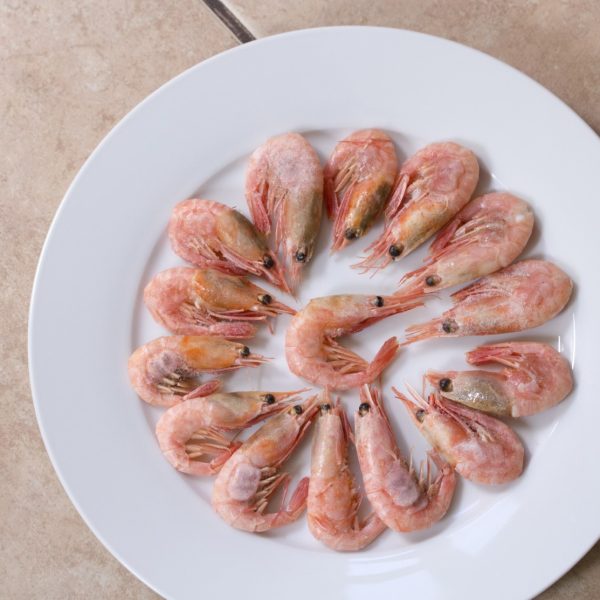
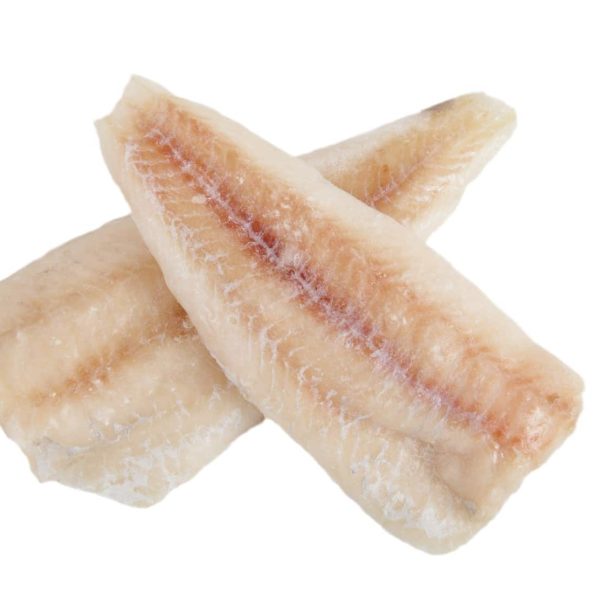
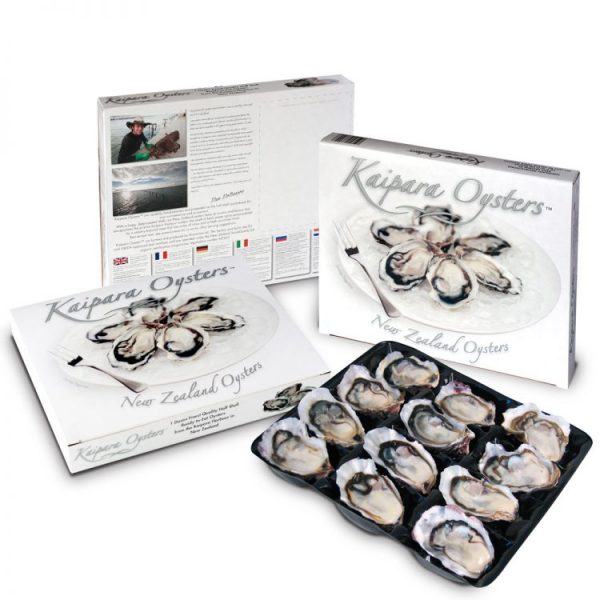
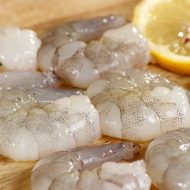
- Speciality lines when stocked (for example, shell-on prawns, white-fish fillets, or premium shellfish), with the same SKU-level transparency rather than “one-size-fits-all” sourcing statements.
Provenance supports preference. Clear labels support trust. Evidence supports claims.
If you’re choosing with intent, use provenance as a filter: method informs texture, origin informs flavour, species informs fat content. If a detail can’t be guaranteed across every product in the category, we won’t imply it — we’ll show it on the items where it’s true, and stay quiet where it isn’t.
Frequently Asked Questions
Is frozen fresh fish frozen at sea as good as fresh?
It can be — but the honest comparison isn’t “fresh vs frozen”, it’s time and handling vs time and handling. “Fresh” describes a state, not a magic ingredient. If a fish has spent days moving through the supply chain, it can still be sold as fresh, but time adds up: temperature swings, waiting, and repeated handling all nudge quality in the wrong direction. Frozen-at-sea flips the logic: it aims to lock in a point-in-time condition and hold it there.
Texture and flavour are where people notice the difference, and this is where we keep it real. Freezing can affect moisture if the fish is poorly packed, repeatedly thawed/refrozen, or defrosted too aggressively. That’s when you get the “watery” or slightly soft finish. On the other hand, good packaging + calm defrosting protects quality. Defrost in the fridge, keep it contained to manage drip loss, and pat the surface dry before cooking — that’s how you preserve firmness and get proper browning.
Here’s how this ties to how frozenfish.direct is set up: the seafood is processed and frozen within hours (so you’re starting from a controlled baseline), then shipped using an overnight cold-chain approach — dispatched by DPD, packed with dry ice inside a polystyrene insulated box, designed to keep seafood frozen on arrival. The goal isn’t “perfect”; it’s repeatable — the same cut, same weight band, same outcome, week after week.
Buying by use-case helps:
- Portions for midweek: pick portionable fillets/steaks with consistent weights. Fast to plan, easy to cook, minimal waste.
- For grilling: choose thicker cuts that tolerate high heat, and options that hold shape well. Dry the surface and don’t rush the flip.
- For entertaining: go for larger sides/whole pieces where you can slice your own portions, or premium shellfish lines where presentation matters and timing needs to be predictable.
If you want predictable results, frozen is the easier way to make Fresh Fish Frozen at Sea a routine.
How do I defrost frozen fresh fish frozen at sea without it going watery?
“Watery” fish is almost always moisture management, not “bad fish”. The main culprits are: ice crystals (which form during freezing and can puncture muscle fibres), drip loss (the melted ice and natural juices that leak out as it thaws), defrosting too warm (outside air or warm water speeds the thaw unevenly and pushes more liquid out), and repeat thaw/refreeze cycles (each cycle damages texture further and increases moisture loss). In short: the faster and messier the thaw, the softer and wetter the finish.
The best practice flow is boring on purpose — boring is consistent. Put the fish in the fridge to thaw slowly, and keep it contained so any liquid doesn’t sit against the flesh. If it’s vacuum packed, keep the pack intact while it defrosts (that tight seal helps reduce air exposure and keeps the surface from drying out in patches). Once thawed, open the pack, drain any liquid, then pat the fish dry with kitchen paper. This one step is huge: a dry surface is what lets you get a clean sear and avoid steaming the fish in its own moisture. From there, cook as you normally would, and follow the on-pack guidance for handling notes specific to that product.
A few tips by cut make a real difference:
- Portions (smaller fillets, portions, prawns/scampi portions): these defrost more evenly and are easier to keep “tight” in texture. They’re also more forgiving if you’re trying to cook quickly midweek.
- Thick fillets or loins: these need a slower, steadier thaw so the centre doesn’t lag behind while the outside gets soft. Keep them supported (flat on a tray), and don’t rush them on a countertop.
- Steaks: these behave differently because of their structure and edges. They often hold shape well, but the exposed surfaces can shed liquid—patting dry matters even more, and a hot pan helps set the outside fast.
As a backup, some cuts can be cooked from frozen when you’re short on time — it’s workable, but method-dependent (and not every product behaves the same), so treat it as a separate technique rather than your default.
Good defrosting is texture control.
Wild vs farmed fresh fish frozen at sea — what should I choose?
Both wild and farmed fish can be excellent. The “right” choice is usually about your preference (flavour, texture) and the dish you’re making, not a simple quality ladder where one is always better.
Here are the typical differences — with the important caveat that they vary by species, season, and how the fish is raised or caught:
Fat level: Farmed fish is often higher in fat, which can mean a richer mouthfeel and a bit more forgiveness if you slightly overcook it. Wild fish is often leaner, which can taste cleaner and more “sea-forward”, but it may dry out faster if you cook it hard.
Firmness and texture: Wild fish may feel firmer or more “structured” depending on species and time of year. Farmed fish is often more consistently tender, which is handy when you want repeatable results (especially for portions and midweek cooking).
Flavour intensity: Wild fish can have more pronounced flavour (sometimes described as more mineral or briny). Farmed fish often tastes milder and rounder, which can be perfect when you’re pairing it with sauces, spice, or richer sides.
Consistency: Farmed tends to be more uniform from piece to piece — handy for predictable cooking times and portion control. Wild can be more variable in size and fat content, which isn’t a problem, but it rewards a little attention to the product details.
Price: Price often differs — wild can sometimes cost more due to supply variability, while farmed may be more stable — but it depends on species and availability, so it’s best treated as a product-by-product decision rather than a rule.
On frozenfish.direct, the key is that each product page shows whether the fish is wild or farmed and where it comes from, so you’re choosing from facts, not guesses. You may see lines that may include wild Fresh Fish Frozen at Sea items and may include farmed Fresh Fish Frozen at Sea items, depending on what’s in stock.
Practical pairing guidance helps you decide fast: many Fresh Fish Frozen at Sea cuts shine with gentler cooking — lower, steadier heat and a softer finish — and they pair well with sauces that protect moisture and add richness (butter-based, citrus, tomato, herb, or creamy styles depending on the species). Leaner fish especially likes a gentle approach; fattier fish can handle a bit more heat and still stay juicy.
Buyer’s shortcut: Choose by cooking method first, then by origin and method.
Which fresh fish frozen at sea cut should I buy for my plan?
Think of this category as a set of formats you can match to the way you actually cook during the week. Your best results usually come down to two outcome levers: thickness and skin.
Thickness decides timing and tolerance. Thin portions cook fast but can overcook quickly. Thicker fillets and loins give you a bigger “sweet spot” between under and over, but they need a little more patience. Skin decides texture and protection. Skin-on pieces can crisp up beautifully and act like a natural barrier that helps the flesh stay juicy; skinless pieces are simpler for saucing, flaking, and quick plating.
Here’s an easy map from plan → cut:
Weeknight meals → portions
Go for portioned fillets, steaks, or pre-cut pieces where available. You get predictable sizing, faster cook times, and easier portion control. If your week is busy, portions are the “least thinking” route: consistent weights, repeatable results.
Grilling → grill-friendly cuts (where available)
Look for thicker pieces: steaks, loins, or skin-on portions that can handle higher heat. The goal is structure — cuts that hold shape on grates and don’t fall apart when you flip. If you see “skin-on”, that’s often a plus for crispness and stability.
Entertaining → larger cuts or mixed packs
Choose bigger fillets/loins you can slice after cooking, or a variety selection so you can serve different textures and flavours. Larger pieces look better on the table and let you control portion size as you plate.
Prep-it-yourself → whole Fresh Fish Frozen at Sea
Whole fish (where stocked) is for people who like control: you can trim, portion, and use the frame for stock. It’s also the best route if you want to practise knife skills and get multiple meals from one fish.
Special occasions → smoked/cured lines
When you want “instant upgrade” without complex cooking, smoked or cured items deliver strong flavour and a polished finish. These are the low-effort, high-impact picks for brunch boards, starters, and canapés.
If you only buy one thing: choose a mid-thickness portion (ideally skin-on where you enjoy crisp texture). It’s the most forgiving all-rounder for pan/oven and works across sauces, salads, and simple sides.
Pick the cut that matches your heat source and your timing.
Can I cook fresh fish frozen at sea from frozen?
Yes, often you can — but method matters. The two things that decide whether “cook-from-frozen” works beautifully or turns into a steamed, watery disappointment are thickness and surface moisture. Frozen fish carries more surface ice and condensation, and that moisture fights the very thing you usually want at the start of cooking: a dry surface that can brown and set. If you throw a frozen portion straight into a ripping-hot pan, the outside can shed water, cool the pan, and effectively steam before it ever sears.
That’s why oven cooking, an air-fryer, or a covered pan is usually more forgiving than a direct, high-heat sear. Those methods let heat penetrate more evenly, giving the centre time to catch up before the outside gets hammered. Think of it as “cook gently to thaw through, then finish hot to improve texture”.
A safe, practical approach in real life looks like this: remove all packaging first (especially any film or card), then check the surface. If there’s loose frost or visible ice, a quick rinse under cold water can knock it off; the goal isn’t to “defrost”, it’s to remove surface ice that turns into extra steam. Pat the fish dry thoroughly with kitchen paper so you’re not adding more water to the equation. Start with gentler heat so the piece can thaw through and cook evenly, then shift to a hotter finish near the end to firm the surface and improve colour. You’re watching for sensory cues: the flesh should go from glassy to opaque, feel resilient rather than mushy, and flake cleanly when it’s ready.
When is it not a good idea? If you’ve got very thick pieces and you’re chasing a perfect, crisp sear, cooking from frozen makes that harder because the centre takes longer to heat while the surface keeps shedding moisture. Also, speciality cured/smoked products should follow the specific product guidance — they’re not “raw fish cooking” in the normal sense, and the best handling can differ.
Frozen-to-oven is the weeknight cheat code when you need Fresh Fish Frozen at Sea now.
How long does frozen fresh fish frozen at sea last, and how do I avoid freezer burn?
Frozen fish is a bit like hitting the pause button — but it’s a pause button with two separate dials: safety and quality. From a food safety point of view, properly frozen seafood can remain safe for a long time as long as it stays frozen solid and is handled hygienically. From a quality point of view, though, texture and flavour can gradually drift: the fish can lose a little succulence, pick up faint “freezer” notes, or cook less cleanly than it would have when it was first packed. That’s why the most useful rule is: follow the on-pack storage guidance, and aim to use older packs first so you’re always eating fish at its best.
Freezer burn is the main quality killer to understand. It isn’t “gone off” fish — it’s dehydration caused by air exposure. In the freezer, moisture can migrate out of the fish and then re-freeze as crystals elsewhere in the pack. When that happens you’ll often see dry, pale patches, a duller colour compared to the rest of the fillet, and a cooked texture that’s tougher, drier, or slightly cottony rather than juicy and flaky. Flavour can seem flatter too, because the surface has literally dried out.
Avoiding freezer burn is mostly boring, repeatable freezer discipline — which is exactly what you want.
Keep packs sealed until you’re ready to use them. If you open a pack and don’t use it all, minimise trapped air before resealing (or rewrap tightly) so the fish isn’t sitting in a pocket of cold, dry air. Store seafood flat where you can: it freezes and stays colder more evenly, and flat packs are less likely to get knocked around and compromised. Rotate stock like a calm supermarket manager: older packs to the front, newer to the back, so nothing gets forgotten at the bottom of the drawer. Try to keep your freezer temperature stable by avoiding frequent long door-open moments and not overstuffing it so air can circulate.
It also helps that many Fresh Fish Frozen at Sea products are vacuum packed, which reduces air exposure and makes freezer burn far less likely — as long as you keep that seal intact.
Good packaging and steady cold are what keep Fresh Fish Frozen at Sea tasting like Fresh Fish Frozen at Sea.